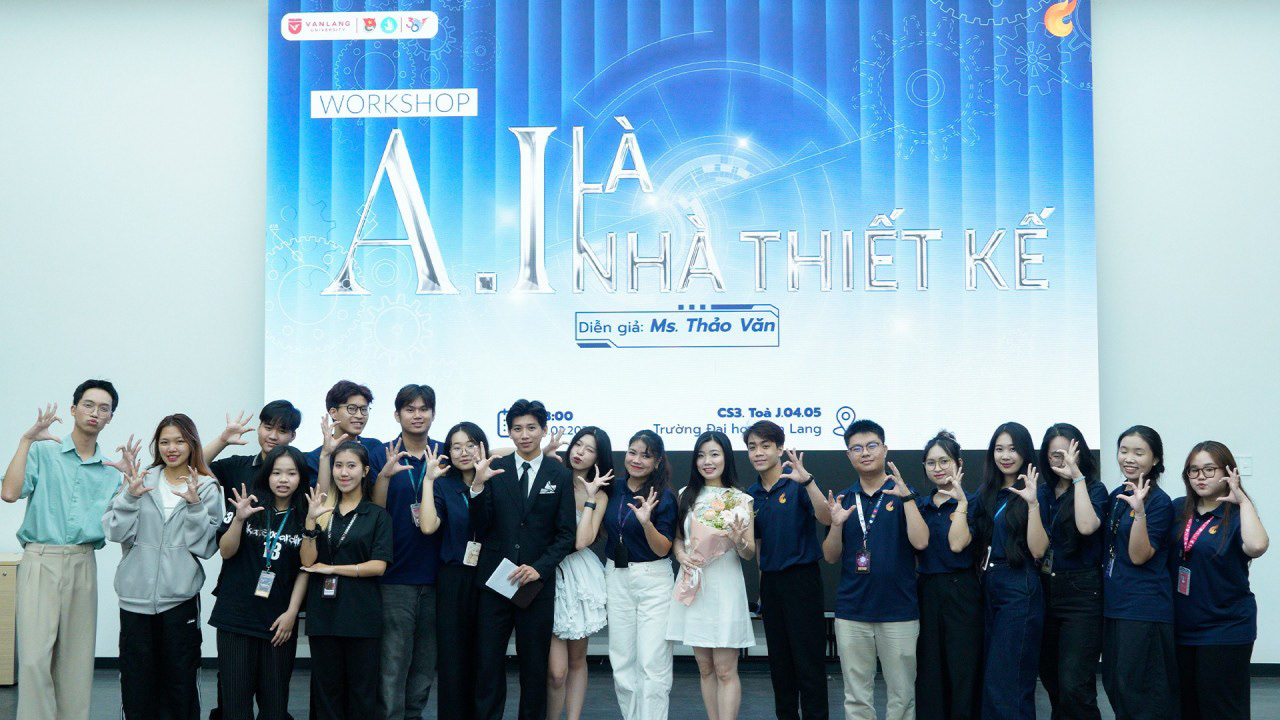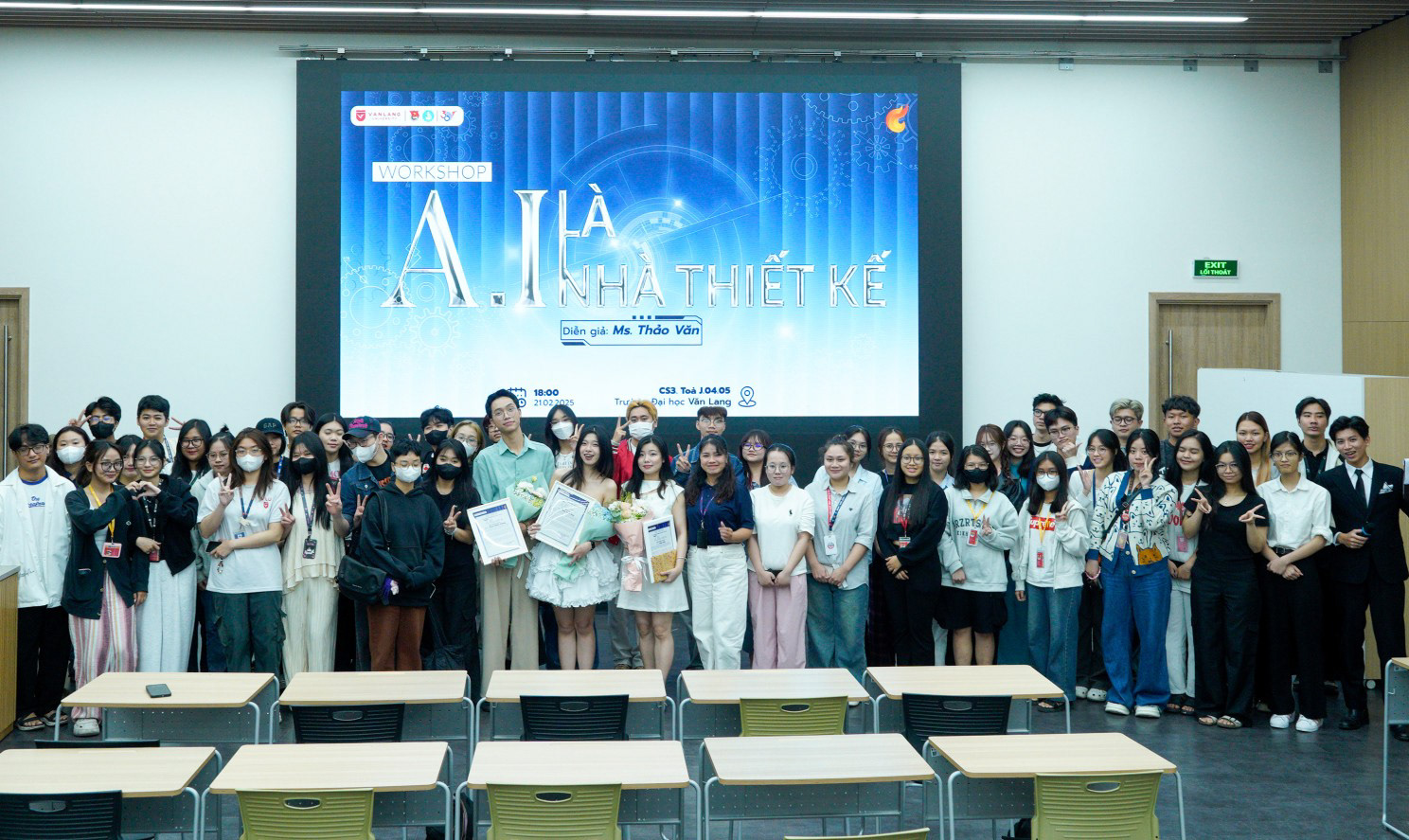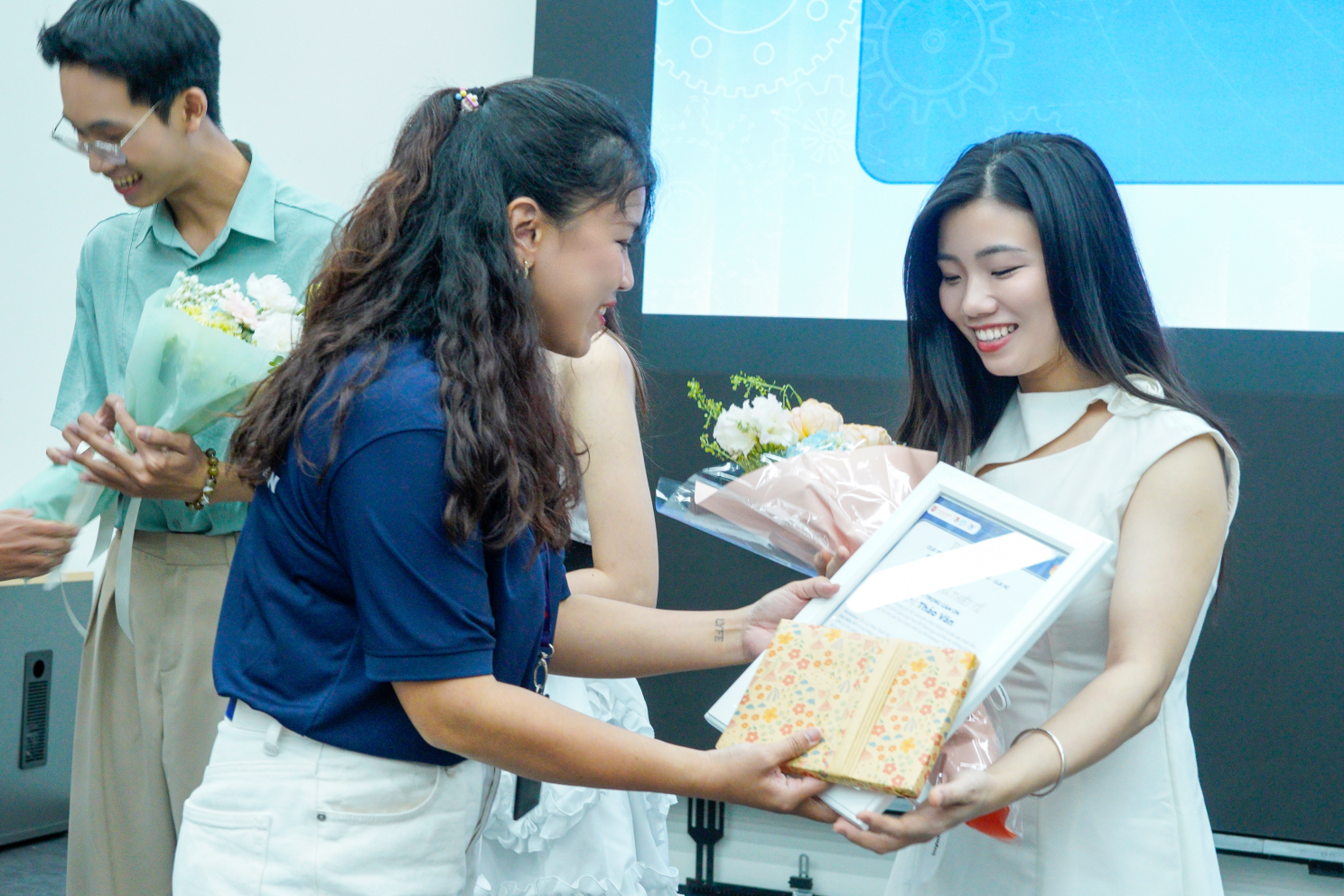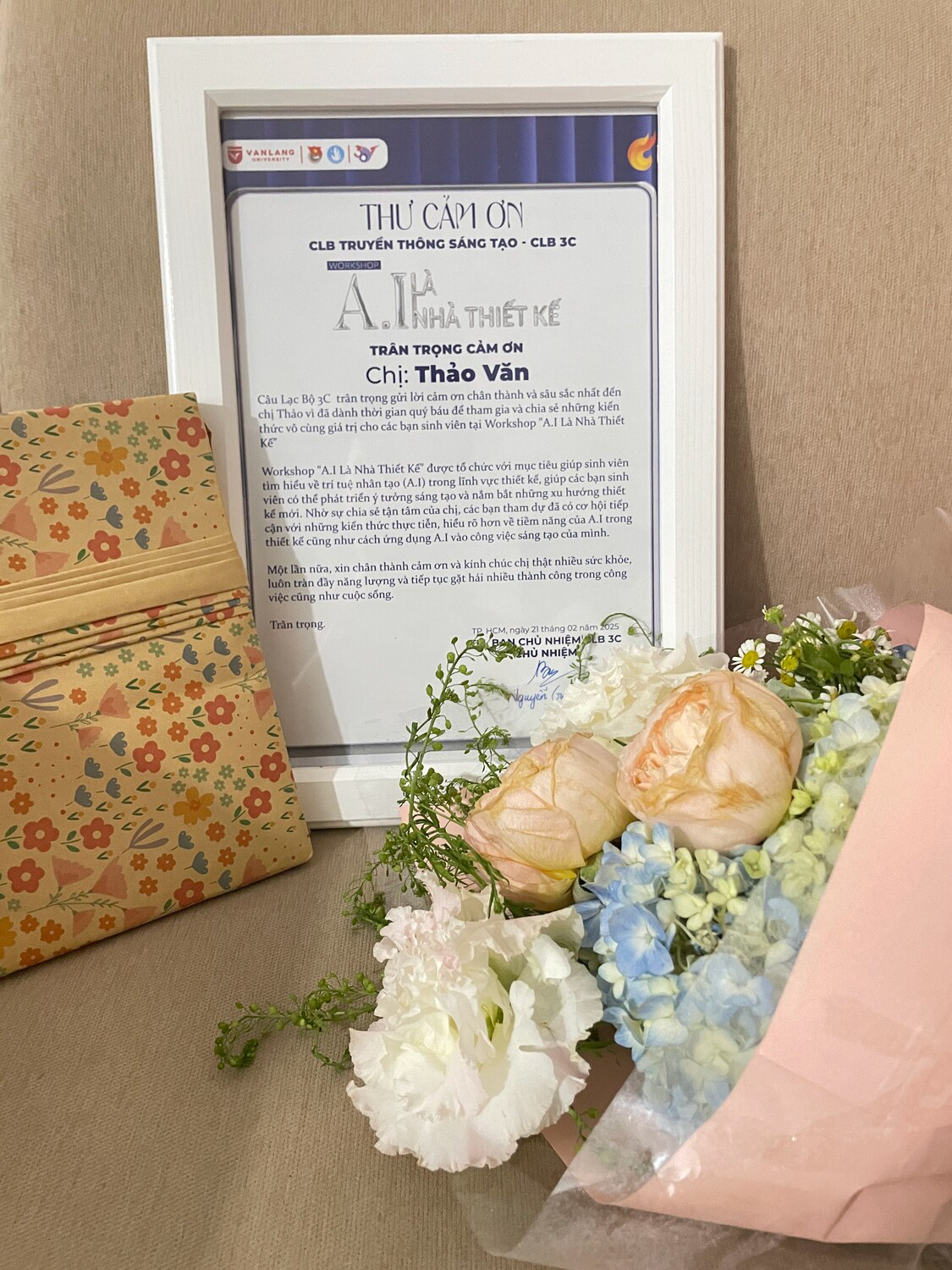
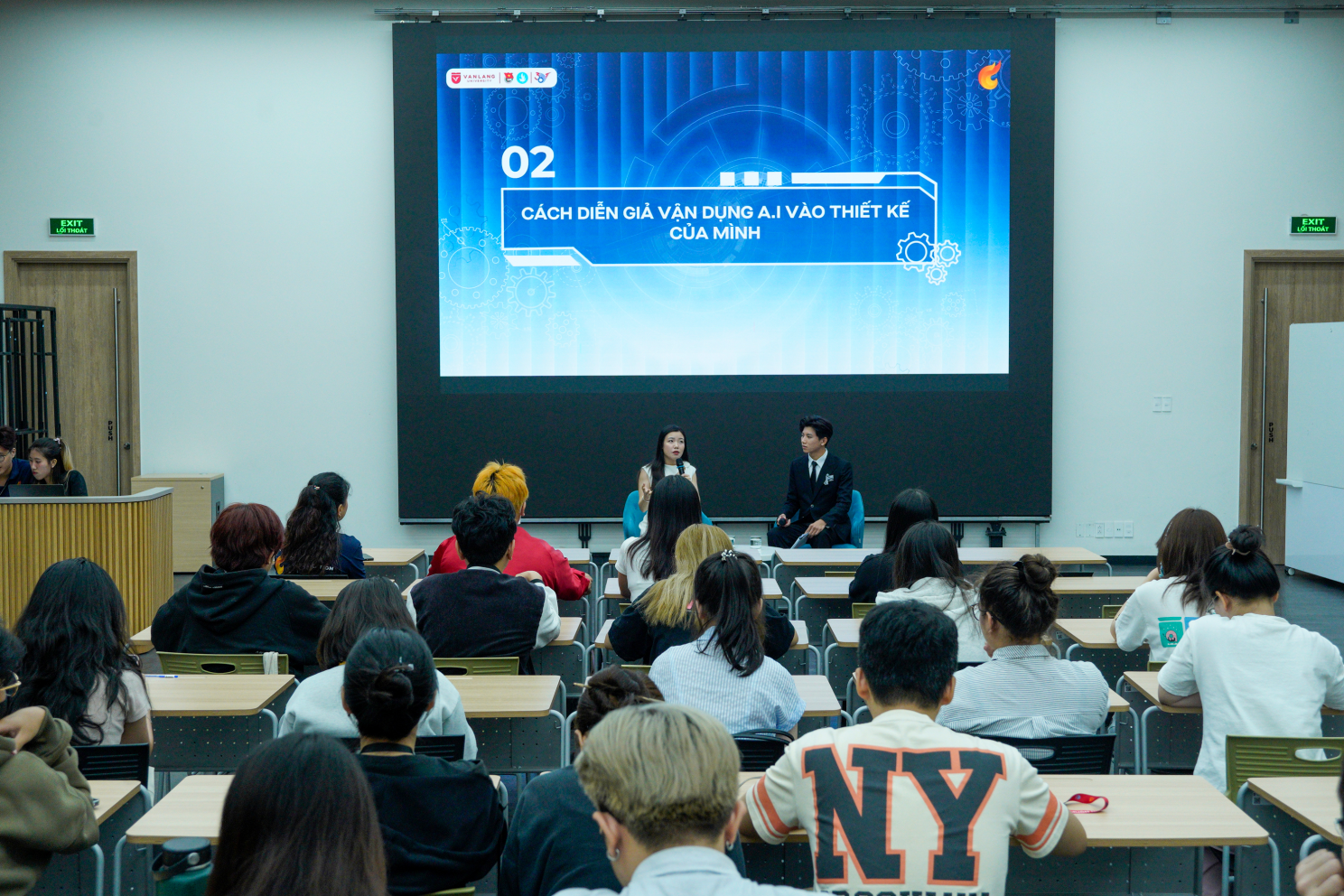
Recently, I had the incredible opportunity to be a guest speaker for the first time at “AI as the Designer”, a workshop organized by the Creative Communication Club (3C) at Van Lang University (Ho Chi Minh city, Vietnam). This was my first time as a speaker, and it was an exciting and insightful experience to talk about how AI is transforming the design industry.
The title of the workshop itself is quite intriguing. According to Ms. Ngoc Anh, a lecturer at Van Lang University, the phrase "AI LA NHA THIET KE" carries a dual meaning:
"AI is the Designer", questioning whether AI is now taking on the creative role traditionally held by humans.
AI also means "who" in Vietnamese so the second meaning of workshop name is "Who is the Designer?", prompting us to reflect on the relationship between human creativity and AI-driven tools, Can AI replace designers?
This clever wordplay set the stage for an engaging discussion on AI’s place in design.
What I Shared in the Workshop
During the workshop, I had the opportunity to share my thoughts on the intersection of AI and design. Here are the key points I discussed:
My first experience with AI in Design: I talked about my initial experience with AI tools, how I started exploring them, my first impressions, and how they challenged the way I approached design. Like many designers, I was curious at first.
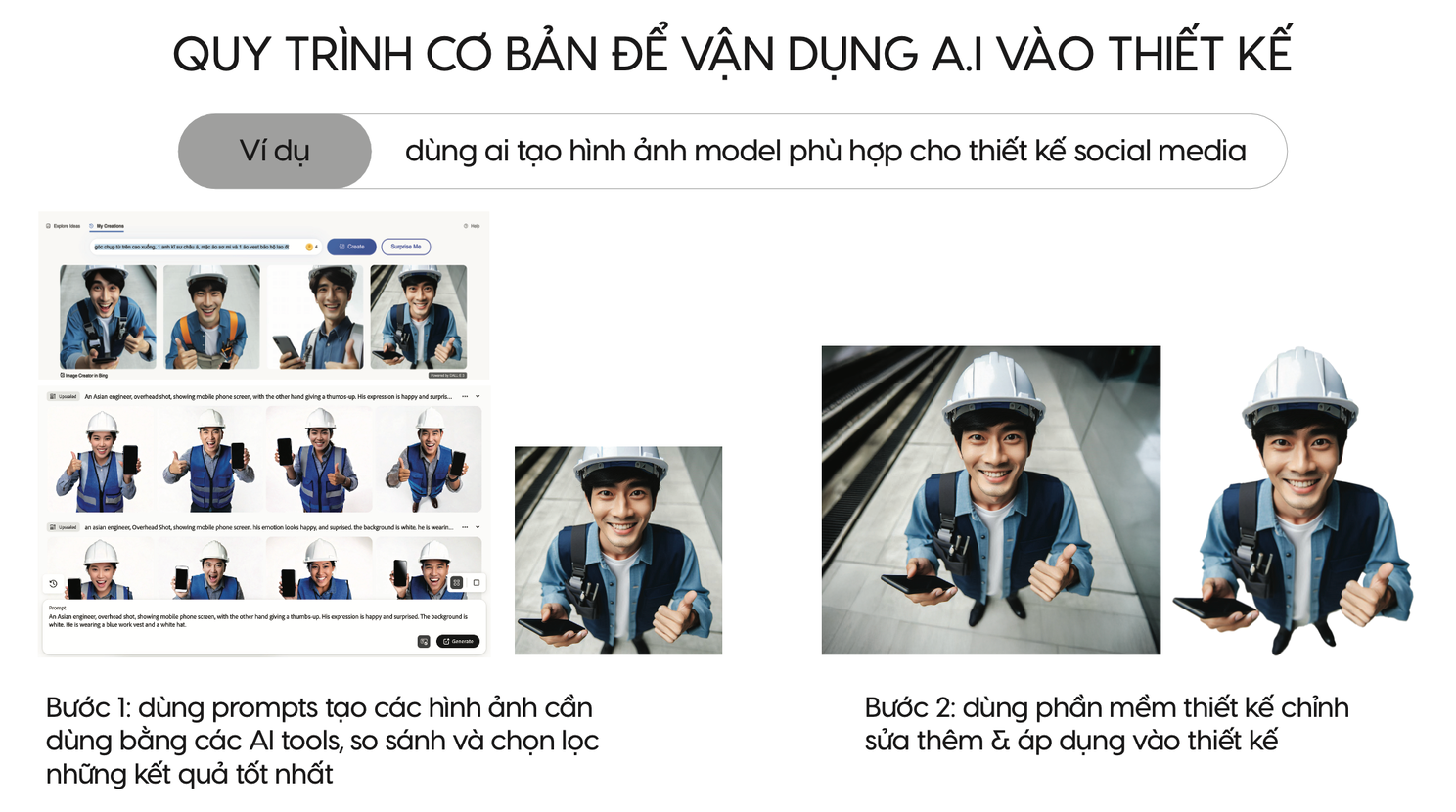
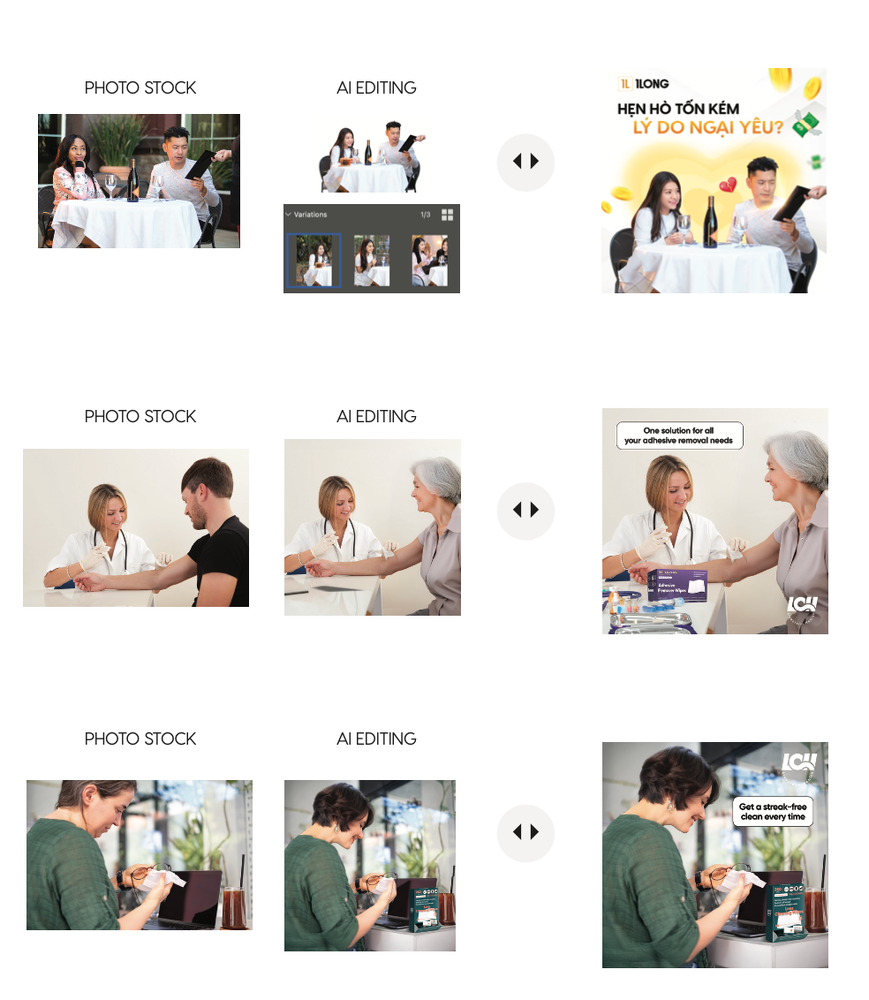
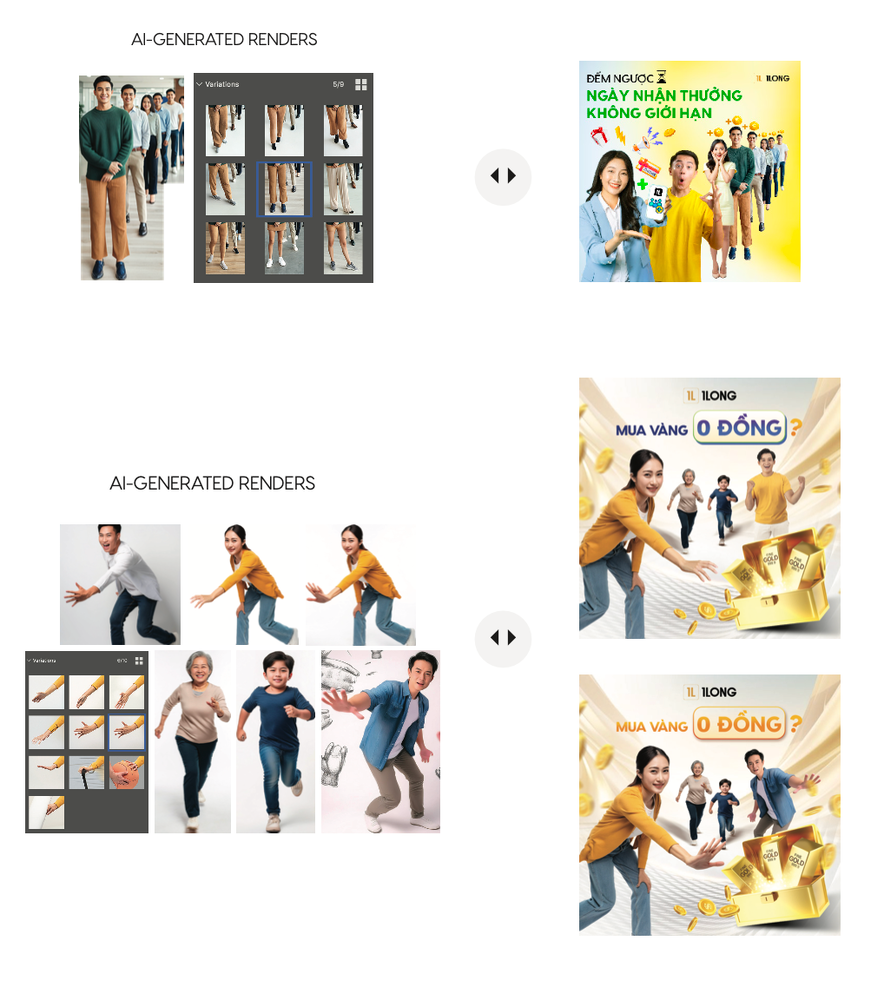
How I apply AI in my design work: I shared how I integrate AI into my creative process, not as a replacement for human creativity but as a powerful tool to enhance ideation, speed up workflows, and generate new possibilities that might not be obvious otherwise. From generating concepts to refining details, AI has become a valuable assistant in my work.
Current design trends and smart trend selection: In the workshop, I shared some popular design trends but focused on the importance of choosing the right trends instead of following them blindly. The first step is to check if a trend fits the project and audience, not every trend works for every brand. Once a trend is chosen, it should be adjusted to match the brand’s identity rather than copied directly. This helps make the design feel more unique and personal. It’s also important to make sure the design still serves its main purpose while using trends. A trendy design is useless if it doesn’t work well or communicate the right message. Sometimes, mixing two trends can create a more creative and interesting result. For example, combining bold minimalism with natural materials can make a design modern yet eco-friendly. In the end, trends should be used smartly, not just to follow the crowd, but to make designs that are unique, functional, and effective.
The Future of Design with AI
One of the biggest questions in the industry is whether AI will replace designers.
My perspective is that AI won’t take over creative roles, but it will change the way we work. Designers who embrace AI will have more tools and opportunities, allowing them to focus on strategy, storytelling, and innovation instead of repetitive tasks.
During the workshop, I also answered questions from students, many of whom felt uncertain about the future of the design industry. It’s understandable, technology is evolving fast, and AI is becoming a bigger part of the creative process. However, I believe that instead of replacing designers, AI will become a powerful assistant. The key is to adapt, learn, and use AI as a tool to enhance creativity rather than fear it.
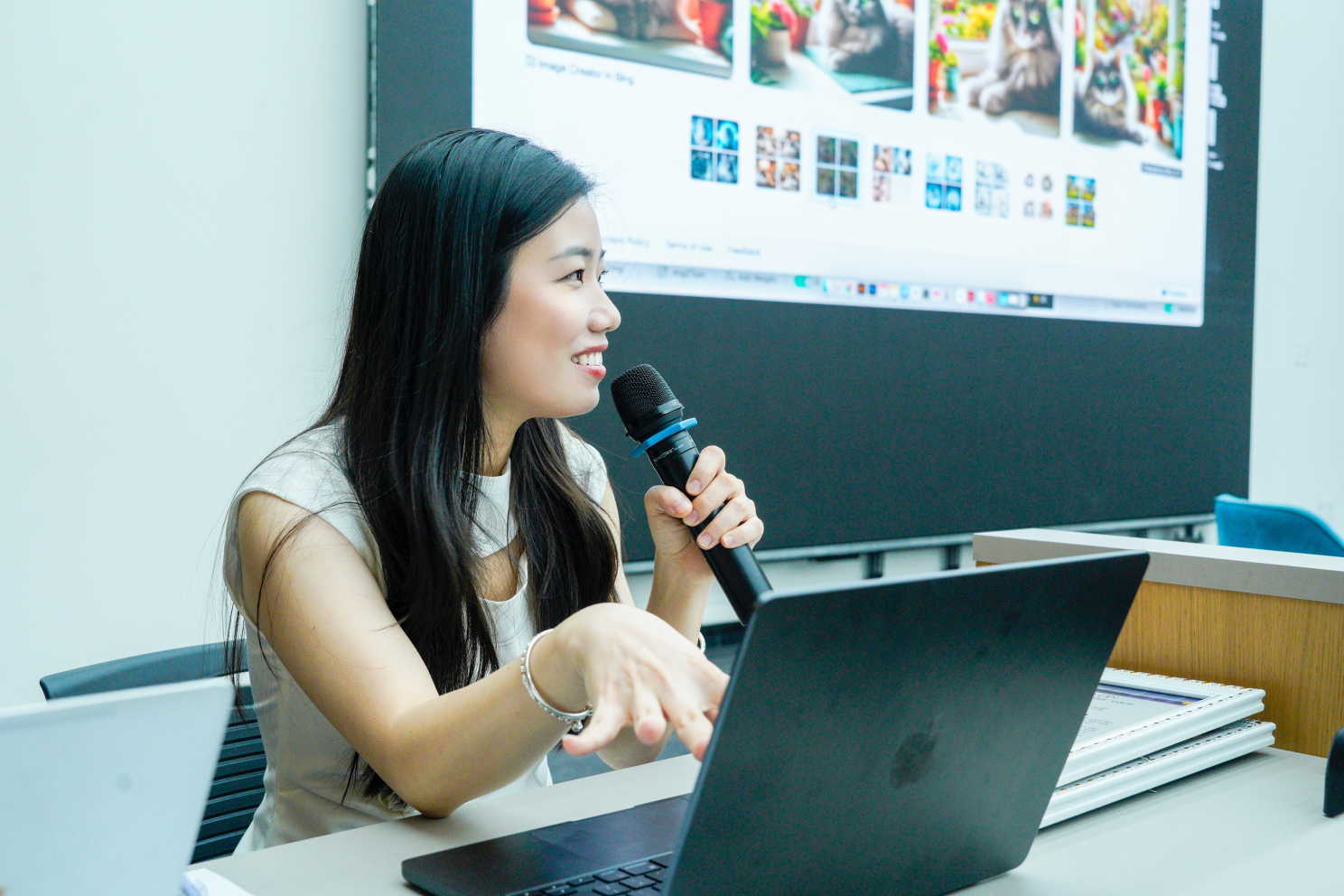
Mastering AI: A Continuous Learning Process
In this workshop, I shared what I’ve learned so far, my experience in creating high-quality images with AI and the differences between AI tools like Microsoft Bing AI, Adobe Firefly, ChatGPT, Midjourney, Shakker AI, and Grok by Twitter.
One key lesson is that AI is only as good as the input it gets. I showed how to write clear and specific prompts to get the best results. Understanding how AI works is just as important as using it. The better your input, the better the output, AI is a tool to support creativity, not replace it.
Another tip is to be patient, experiment with different AI tools, and compare their results. Comparing the results can help you find the best tool for your needs.
And lastly, I’m still learning how to use AI every day. The more we explore and experiment, the better we can use AI to improve our creative work.